
Plants
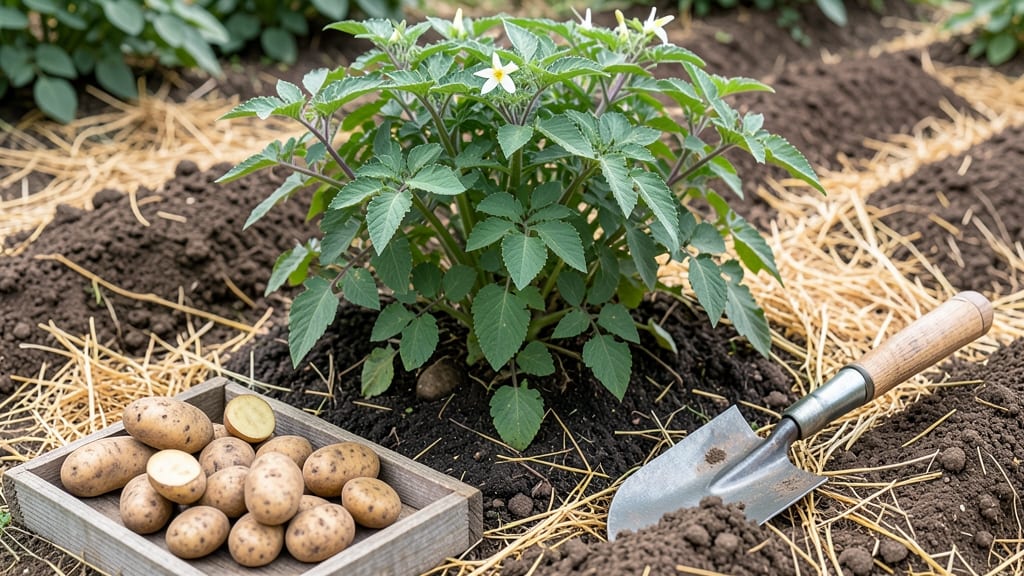
Timing when do you plant potatoes in Oregon isn’t one-size-fits-all—coastal fog, Willamette Valley warmth, and high-desert chill can shift your ideal window by 6 weeks or more.
Get it wrong, and you risk frost-killed tubers or stunted harvests. But nail it, and you’ll enjoy crisp, homegrown spuds from summer through fall.
I’ve gardened across Oregon’s microclimates, and the difference between a bountiful harvest and a failed crop often comes down to soil temperature, frost dates, and variety choice. Whether you’re in Portland’s mild zone or Bend’s cooler high desert, knowing when to plant—and which types thrive where—is the key to success.
Most gardeners start in late March to early April, but coastal areas can wait until May to avoid soggy soil, while inland zones may need early starts. We’ll break down the exact timing for your location, plus pro tips like chitting potatoes for a jumpstart in colder regions.
Ready to grow potatoes that outperform store-bought? Let’s dive into Oregon’s planting secrets—so you can enjoy fresh, homegrown harvests all season long.
Oregon potato planting dates by microclimate zone (coastal vs. Willamette Valley vs. high desert)
Oregon’s potato planting calendar isn’t one-size-fits-all—your last frost date can shift by 6 weeks depending on whether you’re in coastal Astoria or high-desert Bend. The key is planting when soil reaches 45°F+ and stays frost-free for 60+ days until harvest.
Let’s break it down by zone so you can time your seed potatoes for success.
For coastal Oregon (USDA Zones 7b-8a), like the Willamette Valley or Oregon Coast, aim for mid-March to early April. These areas have cooler soils but milder winters, so early varieties like 'Red Pontiac' thrive here.
In contrast, high-desert regions (Zones 6b-7a), such as Bend or La Grande, can plant 2-3 weeks later—typically late April to early May—thanks to warmer days and cooler nights.
Elevation matters too: Every 1,000 feet gain delays planting by about 1 week. For example, Mount Hood’s slopes (5,000+ ft) might need to wait until mid-May for safe planting. Always check your local frost-free date (find yours via Oregon State University’s frost maps) and count backward from your variety’s maturity days.
| Zone | Planting Window | Soil Temp Threshold | Key Varieties | Notes |
|---|---|---|---|---|
| Coastal (Astoria, Cannon Beach) | Mid-March to early April | 45°F+ (soil) | Red Pontiac, Yukon Gold | High humidity; watch for blight |
| Willamette Valley (Portland, Salem) | Late March to mid-April | 45°F+ (soil) | Russet Burbank, Kennebec | Moderate rain; well-drained soil critical |
| High Desert (Bend, La Grande) | Late April to early May | 50°F+ (soil) | Red LaSoda, Fingerling | Dry heat; mulch heavily |
| Mountainous (Mount Hood, Cascade Locks) | Mid-May to early June | 55°F+ (soil) | Katahdin, Purple Viking | Short season; use cold frames |
Pro tip: Chitting (pre-sprouting) your seed potatoes 4-6 weeks before planting gives you a 2-week head start in cooler zones. Place them in a bright, cool spot (50-60°F) with light to encourage 1-inch sprouts before soil is ready.
This is especially useful for high-elevation gardens where the growing season is shorter.
If you’re unsure about your exact microclimate, use Oregon State University’s frost probability tool to input your ZIP code. For example, Portland’s last frost averages April 15, while Bend’s is May 10.
Planting too early risks frost damage; too late, and your harvest window shrinks. Aim for 60-90 days until your first frost, depending on the variety.
For container gardening in Oregon, stick to early-maturing varieties (e.g., 'Early Girl') and plant 1-2 weeks earlier than ground planting. Containers warm up faster, but they also dry out quicker—so mulch with straw and water consistently.
Just ensure your pot is at least 12 inches deep to accommodate tuber growth.
Remember: Soil preparation is just as critical as timing. Work in compost or aged manure before planting to boost drainage (Oregon’s clay soils can suffocate roots). Test your soil’s pH (aim for 5.0-6.5) and amend if needed.
A well-aerated, loose bed prevents scab disease, a common issue in Oregon’s high-rainfall zones.
Finally, keep an eye on weather forecasts in late spring. A late frost can devastate young
5 Critical factors that shift your Oregon potato planting window (and how to adapt)
Oregon’s unpredictable spring weather can turn your potato planting plans upside down. While the general rule is to plant when soil reaches 45°F (7°C), five key factors often shift that window by weeks. Understanding these will help you avoid frost damage and maximize your harvest.
First, soil type plays a huge role. Sandy soils in the Willamette Valley warm up faster, allowing earlier planting (mid-March), while clay-heavy coastal soils stay cold longer—sometimes delaying planting until May. I’ve seen 3-week differences in planting dates just 50 miles apart!
Chilling hours also matter. Potatoes need 400-600 hours below 45°F (7°C) to break dormancy. Coastal areas like Astoria often get these early, while high-desert Bend may need to wait for natural warming. This affects whether you can start seeds indoors or must rely on pre-sprouted tubers.
🌱
Plant when soil hits 45°F (7°C) at 4" depth. Use a soil thermometer—don’t guess!
Coastal: Wait until May (fog delays warming). Inland: Plant by March 15.
Too much rain? Plant on ridges or use raised beds. Drought? Mulch heavily to retain moisture.
Use row covers or plant frost-tolerant varieties like 'Red LaSoda' in high-risk areas.
Early varieties (60 days) work for coastal areas. Long-season types (90+ days) need inland planting.
To adapt, I recommend succession planting—stagger your plantings every 2-3 weeks to extend your harvest. For example, plant 'New Potatoes' in early April for a June harvest, then add 'Russet Burbank' in May for fall potatoes.
Another pro tip: Chit your potatoes (pre-sprout in a cool, bright spot) to jumpstart growth in cold areas. This can shave 2-3 weeks off your growing season. Just avoid direct sunlight until planting—you want small, firm sprouts, not leggy stems.
Finally, monitor your local frost forecast using tools like the Oregon State University Garden Calendar. A late frost can wipe out unprotected plants, so have frost cloth ready if temperatures dip below 32°F (0°C) after planting.
✂️