
Plants
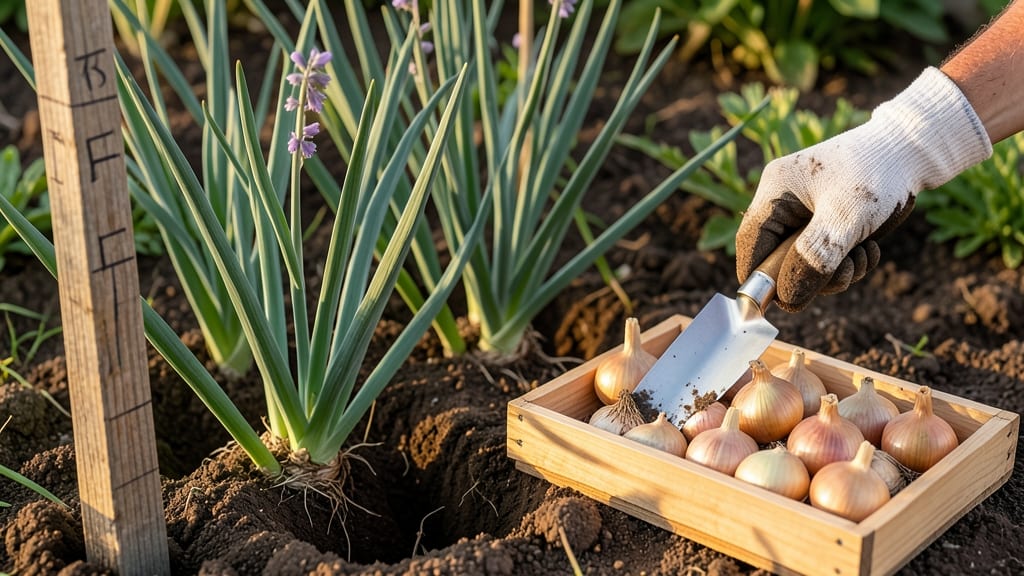
Timing your 🧅 onion planting in Georgia isn’t just about the calendar—it’s about dodging frost, soil temperatures, and the 7b-8b zone’s quirks that can make or break your harvest.
One wrong move, and those tender young plants could turn to mush overnight. But get it right, and you’ll enjoy crisp, homegrown onions from April through November—no grocery store needed.
I’ll walk you through the exact windows (fall and spring) that work best, plus how to prep your soil so your onions thrive despite Georgia’s unpredictable weather.
Whether you’re using sets, seeds, or transplants, the key is planting 4-6 weeks before your last frost—usually in October or February. We’ll also cover which varieties handle Georgia’s heat and humidity best, so you can skip the guesswork and grow onions that actually bulb up.
Ready to turn your garden into a zero-frost onion powerhouse? Let’s break down the steps so you can plant with confidence and harvest like a pro.
Georgia’s onion planting calendar: month-by-month frost risk breakdown
Timing your onion planting in Georgia isn’t just about seasons—it’s about outsmarting the state’s unpredictable frost. With USDA zones 7b-8b, your last frost typically hits around February 15, but hard freezes can sneak in anytime.
The key? Planting 4-6 weeks before that average date to give bulbs time to mature.
Your best bets are fall planting (September–November) or early spring (February–March). Fall onions develop roots in cool weather and store energy for spring growth, while spring plantings avoid winter dormancy.
But here’s the catch: Northern Georgia (like Athens) gets frost earlier than Southern Georgia (like Savannah), so adjust your timeline accordingly.
Onion sets (small bulbs) are your fastest option—they sprout in 7-10 days and tolerate cooler soil better than seeds. For green onions, you can plant year-round, but bulbs need those 120-day growing windows to form properly.
| Month | Planting Window | Frost Risk | Best For |
|---|---|---|---|
| September | Early fall sets | Low (North GA) | Bulb onions |
| October | Ideal for sets | Moderate | Bulb onions |
| November | Last chance for sets | High (North GA) | Green onions |
| February | Early spring seeds | Low | Bulb onions |
| March | Peak spring planting | Very low | All varieties |
For Northern Georgia, aim to plant onion sets by October 15 to avoid winter kill. In Southern Georgia, you can push it to November 1—just cover with frost cloth if temps dip below 28°F.
Spring plantings should wait until soil hits 50°F (usually mid-February in the north, late January in the south).
Pro tip: Use Texas Early White or Candy onions—they’re cold-hardy and mature in 100-120 days, perfect for Georgia’s short winters. Avoid long-day varieties like Yellow Sweet Spanish; they bolt before forming bulbs in Georgia’s climate.
Always test your soil’s pH (6.0–7.0) before planting—acidic soil makes onions prone to rot. Amend with lime if needed, and mulch with straw to insulate roots during temperature swings. A 1-inch layer keeps soil temps stable and reduces frost heave.
If you’re planting seeds instead of sets, start them indoors 8-10 weeks before your target outdoor date. Georgia’s short daylight hours in winter can stunt bulb development, so give seedlings a grow light for 14+ hours/day if needed.
Remember: Green onions are far more forgiving—they regrow from cuttings and tolerate partial shade. Plant them every 2 weeks for a continuous harvest, even in winter months. For bulbs, precision timing is everything. Miss the window, and you’ll end up with baby onions instead of full-sized harvests.
🧅
Georgia’s onion planting calendar: month-by-month frost risk breakdown
Georgia’s 7b-8b hardiness zones create a unique challenge for onion growers—fall planting risks early frost, while spring planting can lead to bolting if too warm. The key is understanding your last frost date (typically February 15) and adjusting for your region’s microclimate.
Northern Georgia (Athens, Gainesville) has colder winters with earlier frosts, while Southern Georgia (Savannah, Valdosta) enjoys longer growing seasons. For most gardeners, this means October-November for fall planting and February-March for spring planting—timing that gives onions 90-120 days to mature before summer heat.
Georgia Onion Planting Timeline
| Month | Planting Window | Frost Risk | Best For |
|---|---|---|---|
| September | Early sets only | Low (Southern GA) | Green onions |
| October | Sets/transplants | Moderate | Bulb onions |
| November | Sets only | High (Northern GA) | Cold-hardy varieties |
| February | Seeds/transplants | Low | Spring harvest |
| March | Seeds only | None | Summer onions |
For bulb onions, aim to plant 60-90 days before your first expected frost—usually by mid-October. Green onions are more flexible and can handle late fall planting or even winter harvests under row covers.
Pro tip: Use ‘Texas Early White’ or ‘Yellow Granex’ varieties—they tolerate Georgia’s heat better than standard onions.
Soil temperature matters just as much as air temperature. Onions need soil at 50°F or warmer to germinate—below that, and your seeds will rot. Test your soil before planting in fall or spring to avoid this common pitfall. A simple soil thermometer (under $10) will save you from wasted effort.
Remember: Georgia’s long growing season lets you plant onions twice a year—once in fall for spring harvests and again in early spring for summer onions.
The key is succession planting every 2-3 weeks to ensure a continuous supply. Start with small batches to test what works best in your microclimate.
🌱