
Plants
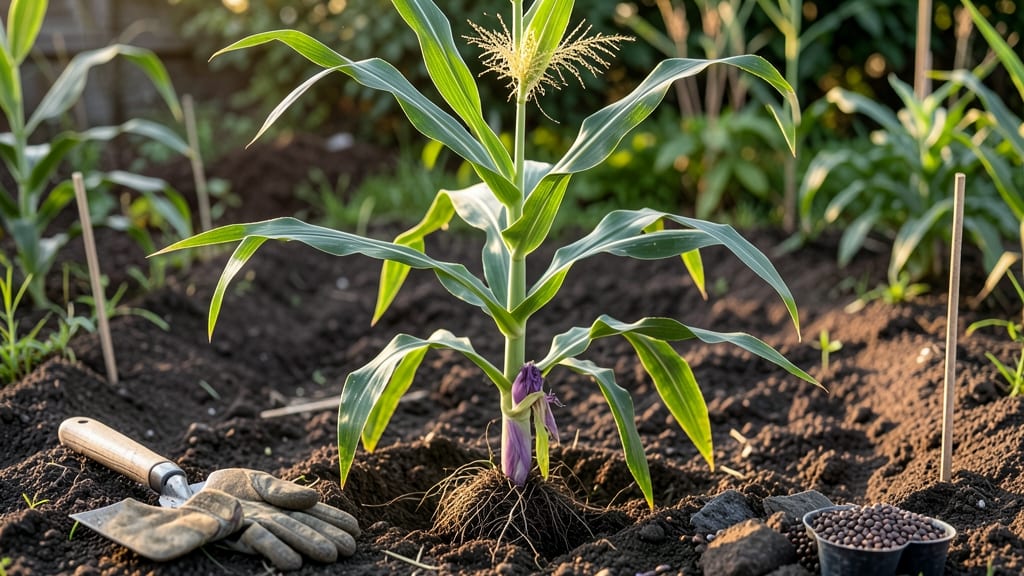
Timing your 🌽 corn planting in Oregon isn’t just about the calendar—it’s about outsmarting the region’s tricky microclimates, from coastal chill to high-desert warmth. Plant too early, and frost will nip your seedlings; too late, and you’ll miss the sweet spot for harvest before fall rains set in.
The difference between flourishing ears and wasted effort often comes down to knowing when to drop those seeds into 55°F soil—and which varieties thrive in your specific corner of the state.
If you’ve ever stared at your seed packets wondering, "Why does my neighbor’s corn grow like a dream while mine struggles?" the answer likely lies in their precise planting schedule.
Oregon’s USDA zones 7b-9a create wildly different growing windows: coastal gardeners might start in late April, while high-desert growers wait until early May. Even a two-week difference can mean the gap between a bumper crop and a sad, stunted plant.
Here’s the good news: with the right timing and a few pro tips, you can turn your Oregon garden into a cornucopia of juicy, homegrown kernels.
I’ll break down the exact planting windows for your microclimate, plus how to adjust for early or late varieties, soil prep secrets, and even how to stretch your growing season when Mother Nature throws curveballs.
Let’s get those seeds in the ground at the perfect moment—because in Oregon, corn planting isn’t just a season; it’s a science.
Whether you’re a first-time gardener or a veteran green thumb, these insights will help you avoid common pitfalls and maximize your harvest. From Willamette Valley warmth to the cooler coastal edges, we’ll cover everything you need to know to grow corn that rivals your favorite farm stand.
Ready to dig in?
Oregon’s best corn planting dates by microclimate zone (coastal, valley, high desert)
Oregon’s three distinct microclimates—coastal, Willamette Valley, and high desert—each demand different corn planting strategies. Coastal areas experience cooler springs and longer frost risks, while the high desert warms up faster but faces shorter growing seasons.
The Willamette Valley offers a balanced climate with moderate frost dates and warm summers. Understanding these differences ensures you plant at the optimal time for your specific zone.
For all regions, soil temperature is your best guide: corn seeds need at least 55°F soil to germinate successfully. Use a soil thermometer to check—planting too early in cold soil leads to poor germination and stunted seedlings.
Nighttime temperatures should also stay above 50°F to prevent frost damage during early growth stages.
Here’s how to align your planting with Oregon’s microclimate-specific windows:
| Zone | Last Frost Date | Ideal Planting Window | Soil Temp Requirement | Recommended Varieties |
|---|---|---|---|---|
| Coastal (e.g., Astoria, Cannon Beach) | Mid-May to early June | Late May to early June | 55°F+ (wait for warmth) | 'Golden Bantam', 'Country Gentleman' |
| Willamette Valley (e.g., Portland, Eugene) | Mid-April to early May | Mid-April to mid-May | 55°F+ (soil thermometer check) | 'Ambrosia', 'Peaches and Cream' |
| High Desert (e.g., Bend, La Pine) | Early May | Early to mid-May | 50°F+ (warms quickly) | 'Early Sunglow', 'Silver Queen' |
*Varieties chosen for disease resistance and local adaptability.
In the coastal zone, where frost lingers until June, opt for early-maturing varieties like 'Golden Bantam' (ready in 60 days). These varieties can escape frost and still produce plump ears before summer ends.
Use black plastic mulch to warm soil faster and row covers for extra protection during late springs.
The Willamette Valley offers the most flexibility, with mid-April to mid-May being ideal. This window aligns with soil warming and reduced frost risk.
Plant two varieties with different maturity dates (e.g., 'Ambrosia' at 80 days and 'Peaches and Cream' at 90 days) to stagger harvests and extend your corn season.
High desert gardeners should plant as early as possible—by early May—to take advantage of long, hot summers. Varieties like 'Early Sunglow' mature in just 65 days, making them perfect for short-season areas.
Irrigate consistently to prevent drought stress, as desert soils dry out quickly even after planting.
Pro tip: Check Oregon State University’s frost date maps for your exact location. The average last frost dates can vary by weeks even within the same county. For example, Hood River (east of the Cascades) may frost 2 weeks later than Hillsboro (west side).
Always plant after your local frost date to avoid seedling loss.
Once planted, corn needs consistent moisture and full sun to thrive. In Oregon’s variable climates, mulching with straw helps retain soil moisture and suppress weeds. Avoid overwatering, as waterlogged soil can lead to root rot, especially in cooler, wetter zones like the coast.
🌽
How to adjust planting dates for early or late varieties (and avoid common mistakes)
Choosing the right corn variety for your Oregon garden isn’t just about flavor—it’s about matching your planting window to the variety’s maturity timeline. Early-season varieties like ‘Early Sunglow’ (65 days) can handle a late start, while late-season types like ‘Golden Bantam’ (90 days) need an early jump to avoid frost.
The key is calculating your frost-free window and adjusting your schedule accordingly.
To find your exact window, subtract your average first frost date (mid-October in most of Oregon) from your last frost date (mid-April for coastal areas, early May for inland zones).
For example, if your frost-free period is 180 days, a 75-day variety planted in early May will mature just before fall frost. Use this formula: Frost-free days ÷ variety days = planting window.
Here’s where Oregon gardeners often go wrong: planting late varieties too late. A 90-day corn planted in late May might not mature before frost, leaving you with underdeveloped ears. Conversely, early varieties planted too soon can bolt prematurely in warm springs.
The solution? Start with short-season varieties if your window is tight, or opt for succession planting for staggered harvests.
Planting late corn varieties after June 1 risks frost damage before maturity. Coastal gardeners should stick to 60-75 day varieties, while inland growers can push to 90-day types if planted by early May.
Soil temperature is another game-changer. Corn seeds won’t germinate until the soil reaches 55°F, and nighttime temps must stay above 50°F for consistent growth. Use a soil thermometer to test depth—if it’s below 55°F, wait.
Pro tip: Black plastic mulch can warm soil by 5-10°F, giving you an earlier start in cooler zones.
For succession planting, stagger your sowings every 2-3 weeks to extend your harvest. Plant early varieties first (e.g., ‘Ambrosia’ at 70 days), followed by medium types (e.g., ‘Peaches and Cream’ at 85 days), and finish with late-season corn (e.g., ‘Country Gentleman’ at 100 days).
This ensures you’re harvesting fresh ears every 2-3 weeks through summer.
Remember, pollination is the make-or-break moment for corn. If your plants tassel (produce pollen) and silk (female flowers) in hot, dry weather, they may not pollinate properly. In Oregon’s unpredictable climate, consistent watering (1-2 inches per week) during this phase is non-negotiable.
With the right timing and care, you’ll go from seed to sweet corn like a pro—no more guessing games!