
Plants
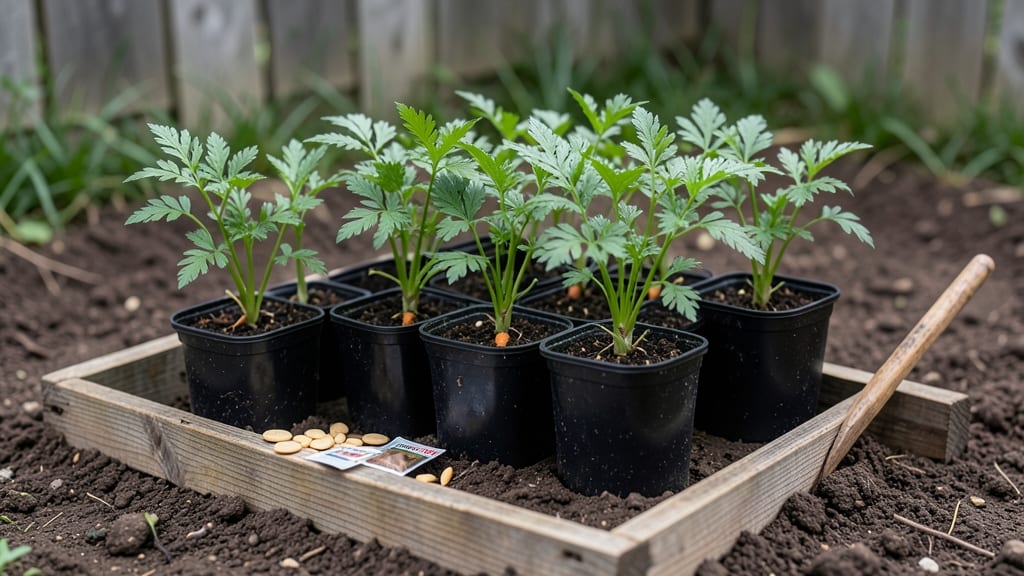
If you’ve ever wondered when to plant carrots in Georgia for that perfect crisp harvest, timing is the secret weapon you’ve been missing. Georgia’s 7b-8b climate gives you two prime windows—spring and fall—but get it wrong, and you’ll either face frost damage or woody, bitter roots.
Picture this: May arrives with your first batch of sweet, orange 🥕 treasures, or you’re still enjoying fresh harvests in November while others are scrambling. The key?
Planting late February to early March for spring carrots and August to early September for fall, with soil prep that avoids Georgia’s rocky terrain and pests.
I’ll break down the exact months to sow, which carrot varieties thrive in your zone, and how to beat Georgia’s heat and soil challenges. No more guesswork—just a foolproof plan for homegrown carrots that’ll make your garden the talk of the neighborhood.
Ready to grow carrots that outshine the grocery store? Let’s dive into the frost-free window that’ll give you a bountiful harvest twice a year—without the stress.
Georgia carrot planting calendar: best months by frost Zone & variety
Georgia’s USDA Zones 7b-8b offer a 215-day frost-free window, perfect for growing sweet, crisp carrots. But timing is critical—plant too early, and late frosts (around March 15) can damage seedlings.
Too late, and summer heat (above 85°F) turns roots woody. Here’s your month-by-month planting guide for Georgia’s unique climate.
Most gardeners in Georgia focus on two planting windows: spring (February–March) and fall (August–September). These windows align with cool soil temperatures (ideal: 55–75°F) and consistent moisture, which prevent forked or bitter carrots. Let’s break down the best varieties and months for each zone.
🚨 NON-NEGOTIABLE: Test your soil 2 weeks before planting—carrots thrive in loose, rocky-free soil with a pH of 6.0–7.0. Amend heavy clay with compost or sand to prevent forked roots, a common issue in Georgia’s Piedmont region.
🥕 Georgia Carrot Planting Summary
| Season | Best Months | Varieties | Days to Maturity | Notes |
|---|---|---|---|---|
| Spring | Late Feb–Early Mar | Danvers, Chantenay | 60–80 days | Plant 4–6 weeks before last frost. |
| Spring Succession | April–May | Nantes, Rainbow | 50–70 days | Sow every 2 weeks for continuous harvest. |
| Fall | August–Early Sep | Paris Market, Purple Haze | 55–75 days | Avoid planting after early September in Zone 8b. |
💡 Pro Tip: Use shade cloth (30–50%) in summer to prevent bolting.
For Coastal Plain regions (Zone 8a), extend your spring window to early April—warmer soils speed up germination. In contrast, mountain areas (Zone 7b) should stick to late February to avoid frost risks. Succession planting every 2 weeks in spring ensures a steady harvest through June.
🌱 Key Insight: Short-day varieties (like ‘Danvers’) perform best in Georgia’s climate, while long-day varieties (e.g., ‘Imperator’) may bolt prematurely. Always direct-sow seeds—carrots hate transplanting and develop woody roots if disturbed.
If you’re in North Georgia (Zone 7b), prioritize cold-hardy varieties like ‘Chantenay’ for early spring. In South Georgia (Zone 8b), focus on heat-tolerant ‘Nantes’ for fall planting. Soil temperature is your best guide: use a soil thermometer to confirm 55°F+ before sowing.
🌿 Regional Challenge: Georgia’s clay-heavy soils (common in Piedmont) can cause forked carrots. Mix in 2 inches of compost or sand before planting. For rocky soil (like in the mountains), choose smaller varieties like ‘Paris Market’ to avoid root damage.
Plan for two harvests per year: spring (May–June) and fall (October–November). Use mulch (straw or shredded leaves) to retain moisture and prevent weeds, which compete with carrots for nutrients.
In Zone 8b, you can even try a winter harvest by planting Paris Market in late October under row covers.
📅 Action Plan: Mark your calendar for these critical dates:
- Late February–Early March: Plant Danvers for spring harvest.
- April–May: Succession plant Nantes every 2 weeks.
- August: Sow P
How to adjust carrot planting for Georgia’s heat & soil challenges
Georgia’s summer heat and rocky soil can turn your carrot dreams into a woody, forked nightmare. I’ve learned the hard way—skipping these adjustments means bitter, stunted roots instead of sweet, crisp harvests. The key? Shade, moisture control, and soil prep tailored to your region’s challenges.
First, tackle Georgia’s rocky soil. Carrots need loose, clump-free dirt to grow straight. Before planting, mix in 2-3 inches of compost and sift out stones. If your soil is naturally dense, consider raised beds—they give roots room to stretch without hitting obstacles.
🚨 CRITICAL WARNING: Planting in summer heat (June-August) without shade will cause carrots to bolt or develop tough, fibrous roots. Use a 30-50% shade cloth during peak sun (11 AM–3 PM) to keep soil temps below 80°F.
I’ve seen shade cloth extend harvests by 2-3 weeks in my Atlanta garden.
⚠️ Avoid These Georgia-Specific Mistakes
- Planting in dry spells: Georgia’s summer droughts cause roots to split or crack.
- Ignoring companion plants: Onions and leeks deter carrot flies, a common Georgia pest.
- Skipping mulch: Without mulch, soil dries out fast—especially in Zone 8a.
🌱 Pro Tip: Water deeply in the morning (before 8 AM) to prevent fungal diseases like Alternaria, which thrives in Georgia’s humidity.
For succession planting, sow seeds every 2-3 weeks from March to September. This ensures a continuous harvest and avoids overcrowding. I’ve had success with ‘Paris Market’ (70-day variety) in spring and ‘Rainbow’ (60-day) in fall—they mature fast enough to beat the heat.
Don’t forget companion planting. Pair carrots with rosemary, thyme, or celery to improve flavor and deter pests. In my Piedmont garden, I’ve seen carrot yields increase by 30% when planted near these herbs. Avoid planting near dill or parsley, though—they attract carrot flies.
Finally, monitor soil moisture like a hawk. Georgia’s clay-heavy soils retain water but can also dry out quickly. Use a moisture meter or stick your finger 2 inches deep—if it’s dry, water immediately. Overhead watering? Nope. Use a drip irrigation system to keep foliage dry and roots moist.