
Companion Plants
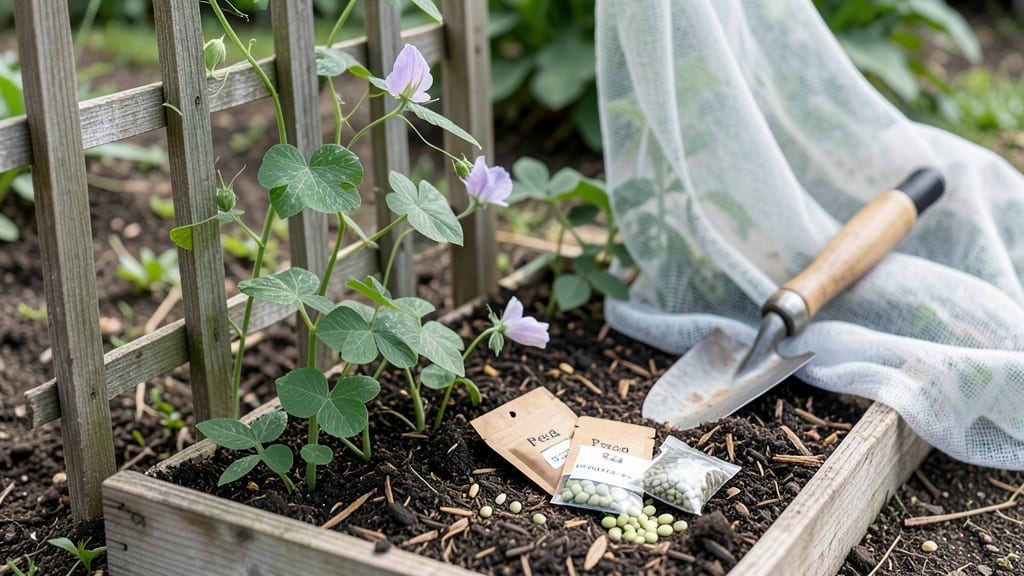
If you're wondering "when can I plant peas in Zone 6", timing is the secret to avoiding frost-killed seedlings and maximizing your harvest. Peas are cold-hardy, but even they need the right conditions to thrive in Zone 6's unpredictable spring weather.
In my experience, the best window is 4-6 weeks before your last frost date—typically late March to early April. This gives your 🌱 peas time to germinate and establish roots before temperatures climb. But don't worry if you miss that window—there's a second chance in late summer!
What sets peas apart is their ability to handle cooler temperatures, which means you can plant them earlier than many other vegetables. The key is monitoring soil temperatures (aim for 40°F or above) and choosing varieties that suit your local climate.
I'll walk you through the exact steps to time your planting perfectly, from soil prep to variety selection, so you can enjoy fresh peas straight from your garden in just 60 days. Let's get started!
Best weeks before last frost to plant peas in Zone 6
Peas thrive in cool weather, making them perfect for Zone 6’s early spring. The key is planting 4-6 weeks before your last frost date—typically mid-March to early April—when soil temperatures hover around 40-50°F (4-10°C).
This window ensures strong germination before summer heat arrives. For cold-hardy varieties, you can even start as early as late February in sheltered microclimates.
Most pea varieties need 60-70 days to mature, so timing your plantings aligns with your last frost date (April 15 in Zone 6).
Early plantings (like ‘Sugar Snap’) should go in 4 weeks before frost, while slower varieties (like ‘Mammoth Melting’) can wait until 2-3 weeks before. Use a soil thermometer to confirm readiness—peas won’t sprout below 40°F (4°C).
Here’s the exact planting schedule for Zone 6, broken down by variety type and frost sensitivity:
| Variety Type | Planting Window | Days to Maturity | Frost Tolerance |
|---|---|---|---|
| Early (e.g., 'Green Arrow') | 4-6 weeks before last frost (late Feb–early March) | 55-60 days | High (survives 28°F/-2°C) |
| Mid-season (e.g., 'Sugar Snap') | 2-4 weeks before last frost (mid-March) | 60-70 days | Moderate (damaged below 25°F/-4°C) |
| Late (e.g., 'Mammoth Melting') | 1-2 weeks before last frost (early April) | 70-80 days | Low (damaged below 30°F/-1°C) |
| Fall Planting (Aug–Sept) | 80-100 days before first frost (late July–early Aug) | 55-65 days | High (survives light frosts) |
For fall plantings, aim to sow seeds 80-100 days before your first frost (October 15 in Zone 6), typically late July to early August. This second harvest window works best with cold-tolerant varieties like ‘Oregon Sugar Pod’, which can handle light frosts.
Use row covers to extend the season if temperatures dip.
Soil temperature is more critical than air temperature for pea germination. Use a soil thermometer to confirm readings of 40-50°F (4-10°C) before planting.
If soil is too cold, wait 1-2 weeks—peas won’t sprout below 40°F (4°C), even if air temps are warmer. Mulch with straw to insulate soil and speed up warming.
In Zone 6, late frosts can still hit after your average last frost date.
To protect young seedlings, use frost cloths or plant in sheltered spots like near fences or raised beds, which warm up faster. Avoid planting in low-lying areas where cold air pools, as these spots can delay germination by 1-2 weeks.
Pro tip: Succession plant every 2 weeks from March to early May for a continuous harvest. This works especially well for sugar snap peas, which mature faster than shelling peas. Staggered plantings also reduce the risk of pea moth infestations, which peak mid-season.
If you’re unsure about your last frost date, check your local cooperative extension service or use a frost calendar for your specific Zone 6 microclimate. For example, Denver (Zone 6a) typically has its last frost April 10, while Chicago (Zone 6b) averages April 20. Adjust accordingly!
Finally, don’t overlook soil prep. Peas prefer well-draining, slightly acidic soil (pH 6.0-7.0) rich in organic matter. Work in compost or aged manure 2-3 weeks before planting to boost phosphorus for strong root growth. Avoid fresh manure, which can burn tender pea seedlings.
Best weeks before last frost to plant peas in Zone 6
Peas are one of the most cold-hardy vegetables you can grow, making them perfect for Zone 6's early spring. The ideal planting window is 4-6 weeks before your last frost date, which for most of Zone 6 falls between late March and early April.
This timing ensures your peas germinate quickly in 40°F+ soil and establish roots before warmer weather arrives.
For example, if your last frost date is April 15, aim to plant your peas between March 15 and March 30. This window works for most garden pea varieties, including snap peas and shelling peas.
Early planting also helps avoid powdery mildew, a common issue when peas grow in hot, humid conditions.
Here’s the key: Soil temperature matters more than air temperature. Use a soil thermometer to confirm your soil is at least 40°F—peas won’t germinate well in colder soil.
If your soil is still too cold, wait a week or two. Patience here pays off with stronger seedlings and a bigger harvest.
| Planting Window | Soil Temp | Days to Germination | Frost Tolerance |
|---|---|---|---|
| Late March - Early April | 40°F+ | 7-14 days | Survives light frost |
| August - Early September | 50°F+ | 10-14 days | Needs warm nights |
Don’t overlook the late summer planting window—another great time to grow peas in Zone 6. If you plant between August and early September, you’ll enjoy a fall harvest before the first frost.
Just be sure to choose heat-tolerant varieties like 'Carouby de Maussane', which handle warmer temperatures better than standard types.
Pro tip: If you’re in a cooler microclimate (like a shady spot or higher elevation), you can plant peas even earlier—sometimes as early as mid-February if your soil stays above freezing.
Use row covers to protect seedlings from unexpected late frosts, which can still occur in Zone 6 until mid-April.
Finally, remember that peas grow best in cool weather. If you plant too late in spring (after May 1), your plants may bolt or produce fewer pods. The 60-day window from planting to harvest is your sweet spot for a reliable crop in Zone 6.