
Plants
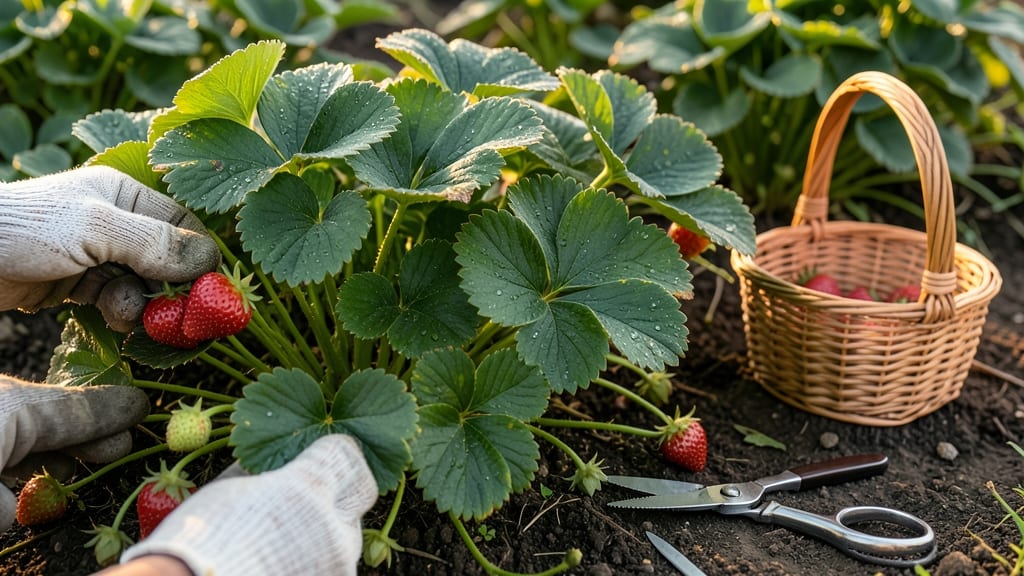
If you're craving the juiciest, sweetest strawberries 🍓 you've ever tasted, knowing when Plant City strawberries are in season is your golden ticket to a flavor explosion.
This small Florida town isn't just famous for its berries—it's the heart of America's strawberry country, where the fruit hits peak perfection in just a few magical months each year.
For Florida gardeners and visitors alike, timing is everything. The spring harvest runs from April through June, while the fall season delivers another bounty from November to December. But what makes Plant City's strawberries so special?
It's all about the climate, the soil, and the farmers' expertise working within USDA Zone 9a conditions that create that signature sweetness.
Whether you're dreaming of fresh strawberry shortcake or planning a farm visit, understanding these seasonal windows helps you avoid disappointment.
I'll show you exactly when to expect the best berries, how weather affects ripening, and where to find the freshest picks—plus some local secrets that make Plant City's strawberry season truly unforgettable.
From picking your own to sampling gourmet treats at seasonal festivals, this is your complete guide to making the most of Florida's strawberry season. Let's get started on planning your sweetest harvest yet!
Plant City strawberry season timeline: month-by-month harvest guide
Plant City, Florida isn’t just called the "Strawberry Capital of the World" for nothing—its strawberries are legendary for their sweetness, size, and year-round availability. But if you're planning a trip or just want to enjoy the freshest berries, timing is everything.
The primary strawberry season in Plant City runs from December through June, with two distinct harvest windows that create a near-continuous supply.
The first wave begins in late December after fall-planted strawberries mature, while the second—spring harvest—peaks from March to May. These windows overlap slightly, ensuring strawberries are available for most of the year.
However, the peak flavor months are April and May, when temperatures and daylight perfectly align for ripening.
Here’s the month-by-month breakdown of what to expect, including how weather and farming practices influence your harvest experience:
| Month | Harvest Window | Availability | Key Notes |
|---|---|---|---|
| December | Early December - Mid-January | Limited (early varieties) | First harvest after fall planting; smaller berries but sweet. |
| January | Mid-January - Early February | Moderate | Cooler temps slow ripening; berries may be firmer. |
| February | Late February - March | High | Spring planting begins; larger berries emerge. |
| March | March - April | Very High (Peak) | Ideal temps (65-80°F); sweetest, juiciest berries. |
| April | April - May | Very High (Peak) | Longest harvest window; best for U-pick farms. |
| May | May - Early June | High | Heat stress may reduce yields; berries still excellent. |
| June | Late June | Low (End of Season) | Harvest tapers off; farms prepare for fall replanting. |
The spring harvest (March-May) is the most anticipated because it coincides with warmer temperatures and longer daylight hours, which accelerate ripening. Farmers in Plant City use drip irrigation and shade cloths during peak heat to protect berries from sunscald, ensuring they stay plump and flavorful.
If you visit in April or May, you’ll find the widest selection of varieties, from classic Camarosa to Sweet Charlie, a favorite for its intense sweetness.
While the fall harvest (December-January) is shorter, it’s a hidden gem for early risers. These berries benefit from cooler nights and milder days, which enhance their natural sugars. However, yields are typically 20-30% smaller than spring, and some farms may limit availability until after the holidays.
If you’re a strawberry purist, timing your trip for late February or early March lets you experience the transition from fall to spring crops.
One critical factor affecting the season is temperature fluctuations. Plant City’s USDA Zone 9a climate allows for two planting cycles, but freezes below 28°F can damage plants. While rare, unexpected cold snaps in January or February may delay the spring harvest by 2-4 weeks.
Farmers monitor forecasts closely and may use row covers or low tunnels to protect young plants during vulnerable stages.
For the best experience, plan your visit during peak months (March-May) when farms offer U-pick options, festivals, and extended hours. If you’re a home gardener curious about growing your own, note that Plant
Plant City strawberry season timeline: month-by-month harvest guide
Timing is everything when it comes to Plant City strawberries in season. The region enjoys two distinct harvest windows each year, with spring delivering the most abundant and flavorful berries.
For spring harvest, expect peak season from mid-April through June, while the fall season runs from November to December. These windows align perfectly with Florida’s USDA Zone 9a climate.
The spring planting occurs between September and October, with berries ripening by April. This early start gives farmers a head start on the growing season, ensuring you get the first taste of the year’s sweetest strawberries.
Meanwhile, fall planting happens in February and March, producing berries just in time for holiday markets.
Here’s a detailed breakdown of what to expect each month:
| Month | Harvest Window | Availability | Notes |
|---|---|---|---|
| April | Early Season | Limited but high-quality | First berries of the year, often sold at premium prices. |
| May | Peak Season | Abundant supply | Best time for U-pick farms and wholesale markets. |
| June | Late Season | Decreasing but still fresh | End of spring harvest; berries may be smaller but still flavorful. |
| November | Early Fall | Limited availability | First berries from fall planting; often sold at holiday markets. |
| December | Peak Fall | Abundant supply | Perfect for holiday baking and gifting. |
Weather plays a critical role in determining strawberry ripening. Plant City’s warm winters and long growing season create ideal conditions, but unseasonal cold snaps can delay harvests. For example, temperatures below 40°F can stunt growth, while consistent 70-85°F days ensure sweet, juicy berries.
If you’re planning a trip, aim for late April to early June for the best selection. Many farms also offer extended season varieties, so you might find berries as late as July in some years. Keep an eye on local farm updates, as weather can shift timelines unexpectedly.
Pro tip: Visit farms in the morning when berries are coolest and freshest. This is also when you’ll find the ripeness indicators like full red color and slight softness at their peak.
Don’t miss out on this seasonal treasure—Plant City’s strawberries are a Florida flavor you won’t find anywhere else! 🍓