
How To
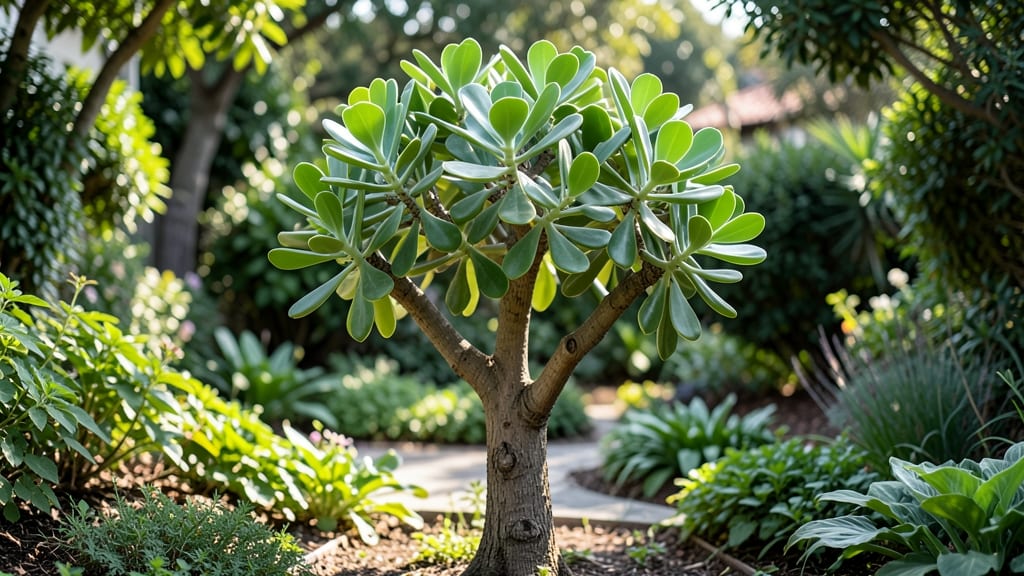
Jade plant how much light it needs is the difference between a lush, thriving 🌿 and a struggling, leggy one. These succulents love bright conditions, but too much direct sun can scorch their leaves while too little leaves them stretching awkwardly toward the light.
If you’ve ever watched your jade plant lean dramatically toward a window or develop pale, weak stems, you’re not alone. The key is finding that sweet spot—4 to 6 hours of bright, indirect light—where they get enough energy to grow without risking damage.
East or west-facing windows are perfect, but what if your space lacks natural light?
I’ll break down exactly how to spot light stress in your plant, adjust for seasonal changes (like weaker winter sun), and even tackle artificial lighting solutions. No more guessing—just clear, actionable steps to keep your jade plant happy year-round.
Ready to give your plant the ideal conditions? Let’s dive into the details so you can enjoy a healthy, vibrant jade plant that stays strong and beautiful for years.


Optimal sunlight hours for jade plants: bright light vs. direct sun
Jade plants (Crassula ovata) thrive on 4 to 6 hours of bright, indirect sunlight daily. This means positioning them near east or west-facing windows where morning or late afternoon sun gently illuminates their leaves without harsh intensity.
Think of it like giving them a sunbath in moderation—enough to fuel growth but not enough to cause sunburn.
The key difference between bright indirect light and direct sun lies in how the light hits the leaves. Indirect light scatters through curtains or sheer fabrics, creating a soft glow, while direct sun delivers intense rays that can bleach or crisp the leaves.
For example, a south-facing window in summer delivers scorching midday rays, while a north-facing window offers gentle, diffused light that’s often too weak.
To visualize light intensity, imagine a scale from 1 (dim) to 10 (blistering). Jade plants prefer a 6 to 7—bright enough to keep their leaves plump and green but not so intense that they turn yellow or develop brown patches.
A good test? Hold your hand near the plant. If you can comfortably read a book under that light, it’s likely ideal.
| Light Type | Best Window | Hours Needed | Seasonal Adjustments |
|---|---|---|---|
| Bright Indirect | East or West | 4–6 hours | Year-round ideal |
| Direct Sun | South (morning only) | 2–3 hours max | Summer: reduce exposure |
| Low Light | North-facing | Tolerates but weakens | Winter: supplement with grow lights |
Seasonal changes drastically alter sunlight strength. In summer, the sun’s angle is higher, so even east or west windows can deliver intense light by midday. I recommend moving your jade plant 3–4 feet back from the window or using a sheer curtain to diffuse the rays.
Conversely, winter sunlight is weaker, so plants near north-facing windows may need a grow light for 6–8 hours daily to prevent stretching.
If you’re unsure about your space, observe your plant’s leaves for clues. Healthy jade leaves are thick, glossy, and deep green. If they’re turning pale or yellow, it’s a sign of insufficient light.
On the flip side, brown or crispy edges mean too much direct sun. The goal is to mimic their natural habitat in South Africa’s dry, rocky slopes, where they bask in dappled sunlight.
Pro tip: Rotate your jade plant quarter-turns every 2–3 weeks. This ensures even growth and prevents one side from leaning toward the light. Uneven light exposure can cause lopsided stems or weak branches, which are harder to correct later.
Think of it like giving your plant a gentle massage to keep it balanced.
For indoor gardeners without ideal windows, reflective surfaces like mirrors or white walls can bounce extra light onto your plant. Place a mirror 1–2 feet behind the plant to amplify natural light, especially in low-light rooms. This trick works wonders in apartments with limited sunlight.
Finally, remember that artificial lighting isn’t a last resort—it’s a tool to fine-tune your plant’s environment. Whether you’re using a simple LED grow bulb or a full-spectrum light, the goal is to replicate the 4–6 hours of bright indirect light jade plants crave.
We’ll dive deeper into lighting solutions in the next section, but for now, focus on positioning your plant where it gets the most natural light possible.
With the right light, your jade plant will reward you with compact growth, vibrant leaves, and even delicate pink or white flowers—a true testament to its thriving health. 🌿
Signs your jade plant has too much or too little light (and how to fix it)
Your jade plant’s leaves tell a story—one that reveals whether it’s craving more light or begging for shade. The most common sign of insufficient light is etiolation, where stems stretch dramatically toward the nearest light source, creating a leggy, weak appearance.
You’ll notice leaves growing farther apart and turning pale or yellowish-green, almost like they’re bleaching out from lack of energy. This happens when your plant is desperate for sunlight, often seen in north-facing windows or dim corners.
On the flip side, too much direct sun causes sunburn symptoms that look like brown, crispy patches on leaves, especially along the edges. These spots start as pale areas and quickly turn papery or translucent, almost like they’ve been scorched by a blowtorch.
South-facing windows are notorious for this, particularly during peak summer hours (10 AM–4 PM), when UV rays are strongest. Even a few hours of unfiltered sun can trigger this damage, so watch for these telltale brown scars.
Don’t confuse sunburn with overwatering damage! Both cause brown patches, but sunburn affects leaf edges first and feels dry and crispy to the touch, while overwatering causes soft, mushy spots that may smell sour. Gently press a leaf—if it squishes easily, it’s water-related; if it’s hard and brittle, it’s sun damage.
Another red flag is leaf drop. If your jade plant starts shedding leaves suddenly, it’s often a stress response to sudden light changes, like moving it from a dim office to a bright kitchen window without acclimating it first.
Jade plants are sensitive to abrupt shifts in light intensity, so always introduce them to brighter conditions gradually over 1–2 weeks. Start with 1–2 hours of extra light per day, then increase slowly to avoid shocking the plant.
For plants in low-light conditions, the leaves may also develop red or purple hues, especially on the undersides. This isn’t necessarily harmful, but it’s a sign the plant is stretching for light and struggling to produce enough chlorophyll.
If you notice this, consider moving your jade to a sunnier spot or supplementing with a grow light. Even a 12-inch LED bulb placed 6–12 inches away can make a dramatic difference in leaf color and compactness.
Fixing light-related issues often means adjusting your plant’s position or modifying your environment. For example, if your jade is in a south-facing window, move it 3–4 feet back or use a sheer curtain to filter the light.
If it’s in a north-facing window, add a reflective surface like a mirror behind the pot to bounce extra light onto the leaves. For indoor setups, rotate the plant quarter-turns weekly to ensure even light exposure on all sides—this prevents lopsided growth and keeps stems sturdy.
Remember, jade plants are forgiving but not indestructible. If you catch light stress early, most issues are reversible with simple adjustments.
The key is observation and patience: watch your plant’s leaves, adjust its environment, and don’t hesitate to experiment with different spots until you find the perfect balance.
With the right light, your jade will bounce back with thick, glossy leaves and a bushy, upright form—a true sign of a happy, healthy plant. 🌿