
Plants
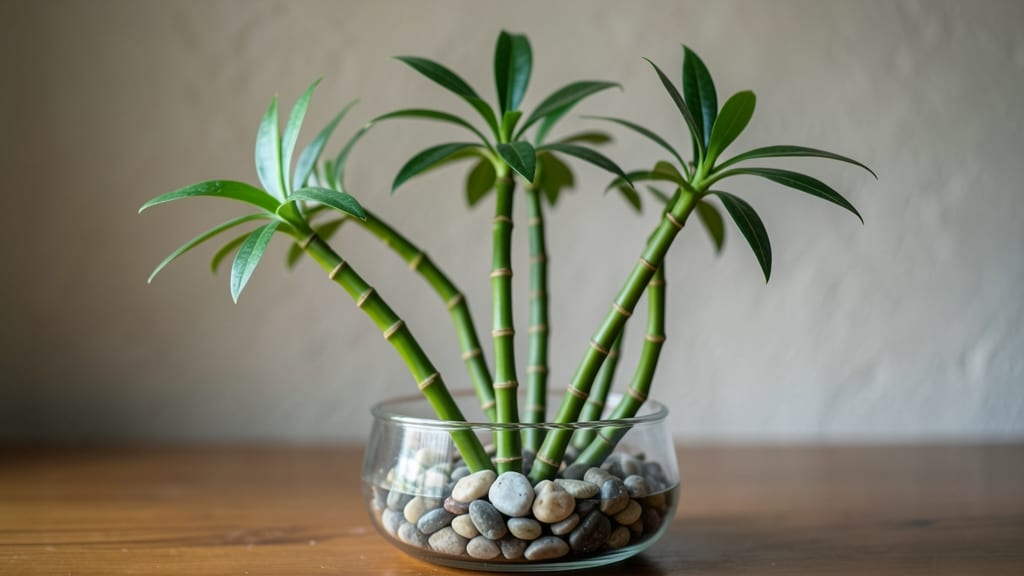
If you're dreaming of a towering, lush green privacy screen or a dramatic garden focal point, how tall a bamboo plant can grow might surprise you. Some varieties shoot up faster than weeds, while others stay neatly contained—all within the same family!
Whether you're dealing with fast-growing runners or slower-growing clumpers, understanding their potential is key to planning your garden.
Bamboo’s growth range is nothing short of impressive—from dwarf varieties that top out at 6 feet to giants that reach over 100 feet tall. That’s taller than a three-story building!
The species you choose, your climate zone, and how much care you provide all play a role in determining just how high your bamboo will grow.
If you're in USDA Zone 6a or warmer, you might be eyeing some of the fastest-growing species like Phyllostachys bambusoides, which can grow up to 80 feet.
But don’t worry—controlling their height is easier than you think. With the right techniques, you can manage even the most ambitious bamboo varieties without sacrificing their beauty.
Ready to discover how to maximize—or contain—bamboo’s incredible growth? I’ll walk you through everything you need to know, from species selection to practical maintenance tips. Let’s get started!


Bamboo height limits: fastest-growing species and their maximum heights
Bamboo’s reputation for rapid growth isn’t exaggerated—some varieties can shoot up 3 feet in a single day during their peak season! But not all bamboo is created equal.
The tallest bamboo species can dwarf even the grandest trees, while others stay perfectly manageable for small gardens. Let’s explore the sky-high extremes and the compact contenders.
First, it’s crucial to understand the two main growth habits: running bamboo (aggressive spreaders like Phyllostachys) and clumping bamboo (gentler growers like Bambusa). Running types often reach higher heights faster, while clumpers tend to stay shorter but denser.
Your choice depends on whether you want a privacy wall or a controlled accent plant.
Here’s the jaw-dropping truth: Dendrocalamus asper, a tropical giant, can top 100 feet—taller than a 10-story building! Meanwhile, Phyllostachys bambusoides (Moso bamboo) averages 60–80 feet and grows 1–2 feet per day in ideal conditions. These giants need space, but don’t despair if your yard is small.
For urban gardeners or those with limited space, dwarf bamboo varieties like Bambusa multiplex ‘Tiny Tower’ max out at just 6–10 feet, perfect for pots or small yards. Even semi-dwarf varieties (10–20 feet) offer height without the commitment of a skyscraper.
| Species | Type | Max Height | Growth Rate | Best For |
|---|---|---|---|---|
| Dendrocalamus asper | Running | 100+ ft | 3 ft/day (peak) | Tropical climates |
| Phyllostachys bambusoides | Running | 60–80 ft | 1–2 ft/day | Privacy screens |
| Bambusa multiplex | Clumping | 3–8 ft | 6–12 in/year | Containers, small yards |
| Fargesia robusta | Clumping | 10–15 ft | 1–2 ft/year | Shady gardens |
| Bambusa ventricosa | Clumping | 20–30 ft | 2 ft/year | Tropical accents |
⚠️ Note: Running bamboo requires barriers to control spread; clumping types are naturally contained.
If you’re eyeing bamboo for privacy, running types like Phyllostachys are your best bet—they grow densely and quickly, creating a living wall in just a few years. For example, Phyllostachys aureosulcata (Yellow Groove bamboo) reaches 20–30 feet and forms a thick, impenetrable hedge.
But height isn’t the only factor—growth speed matters too. Some bamboo can double in height in a single growing season, while others take years to reach maturity.
For instance, Fargesia denudata (Umbrella bamboo) grows slowly but stays under 10 feet, making it ideal for woodland gardens or shaded patios.
Before planting, check your local climate zone. Giant bamboo thrives in USDA Zones 7–11, while hardier varieties like Phyllostachys nigra (Black bamboo) survive down to Zone 5. Cold snaps can stunt growth, so choose a species that matches your winter hardiness.
Pro tip: If you love the look of tall bamboo but lack space, consider container-growing dwarf varieties. Pots limit root spread, and you can move them as needed. Just ensure the container is at least 18 inches wide and deep for healthy growth.
Bamboo height limits: fastest-growing species and their maximum heights
Bamboo’s height potential is one of its most impressive traits, with some species growing taller than a three-story building. The fastest-growing runners can shoot up 3 feet per day under ideal conditions, while clumping varieties grow more steadily.
Understanding these differences is key to choosing the right bamboo for your space and climate.
At the top of the height chart, Dendrocalamus asper (also called giant bamboo) can reach 100 feet or more, making it one of the tallest bamboo species in the world.
Even more common Phyllostachys bambusoides (Moso bamboo) can grow 60–80 feet tall in just a few years. These giants are perfect for large properties or privacy screens but require careful management.
For gardeners with limited space, dwarf varieties like Bambusa multiplex ‘Tiny Tower’ stay between 6–10 feet tall, while semi-dwarf types like Fargesia robusta reach 10–15 feet. The key difference between these groups lies in their growth habits—runners spread aggressively, while clumpers stay contained.
🌿 Bamboo Height Comparison
| Species | Type | Max Height | Growth Rate |
|---|---|---|---|
| Dendrocalamus asper | Running | 100+ ft | 3 ft/day |
| Phyllostachys bambusoides | Running | 60–80 ft | 2 ft/day |
| Fargesia robusta | Clumping | 10–15 ft | 1–2 ft/year |
| Bambusa multiplex ‘Tiny Tower’ | Clumping | 6–10 ft | 6–12 in/year |
Height varies by climate, soil, and care.
If you’re in USDA Zone 6a or warmer, you can grow many tall bamboo varieties, but colder climates limit your options.
For example, Phyllostachys nigra (black bamboo) thrives in Zones 5–11 and reaches 30–50 feet, while tropical Dendrocalamus strictus tops out at 80 feet but struggles below Zone 9.
For urban gardeners or small yards, clumping bamboo is the safest choice. These varieties grow in tight clusters and rarely spread beyond their planted area. Even with slower growth, they still offer privacy and texture without the risk of becoming invasive. Always check a species’ mature height before planting!
Ready to harness bamboo’s incredible height potential? The next step is learning how to control its growth—whether you want to keep it compact or manage its spread. Let’s dive into pruning and barrier techniques to keep your bamboo in check. ✂️