
Plants
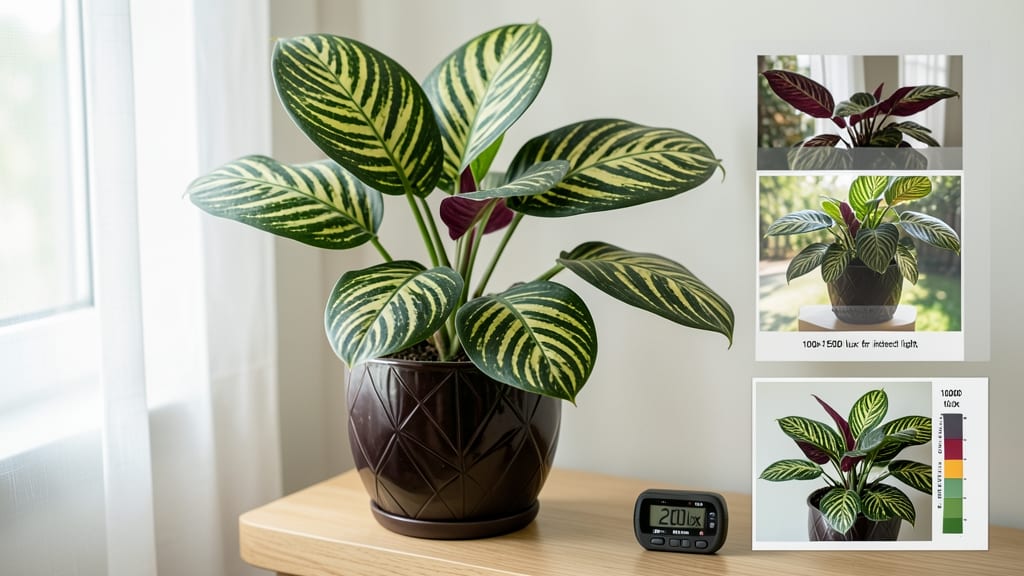
If your Zebra Plant 🌿 is losing its signature bold stripes or stretching toward the window like a sleepy cat reaching for sunlight, you’re not alone—how much light does a zebra plant need is the game-changer most people overlook.
This stunning houseplant thrives in bright indirect light, but too much direct sun or dim corners can turn its leaves dull and leggy, stealing its dramatic beauty.
I’ve seen firsthand how a simple adjustment in placement can transform a struggling Zebra Plant into a showstopper. The key lies in mimicking its natural habitat—think dappled shade under a canopy, not harsh midday glare.
Whether you’re dealing with a south-facing window or a cozy corner office, I’ll show you exactly how to give your plant the perfect balance of light for those striking variegated leaves to shine.
You might think "more light is better," but that’s where most gardeners go wrong. Zebra Plants are finicky about intensity—too little, and they’ll stretch awkwardly; too much, and those gorgeous stripes fade to a sad, sun-bleached green.
Let’s fix that together with practical tips to keep your plant happy, healthy, and full of that signature zebra-striped drama.
Ready to unlock the secret? By the end of this guide, you’ll know not just how much light your Zebra Plant needs, but where to place it, how to spot trouble signs early, and even how to supplement light when your space falls short.
No more guesswork—just lush, thriving foliage that turns heads.

Zebra plant light requirements: finding the perfect balance for healthy growth
The zebra plant (Aphelandra squarrosa) gets its name from the bold zebra-striped foliage that thrives under the right light conditions. Unlike sun-loving succulents, this tropical beauty prefers bright indirect light—think dappled sunlight filtering through sheer curtains.
Too little light causes stretched, pale leaves, while too much direct sun leads to brown leaf tips or scorched foliage.
Your zebra plant’s ideal light exposure mimics its native understory habitat in South American rainforests. This means positioning it where it receives 4-6 hours of filtered sunlight daily, like near an east or west-facing window.
South-facing windows can work, but you’ll need to protect it from harsh afternoon rays using a sheer curtain or sheer.
Here’s how light directly impacts your plant’s health: insufficient light weakens the chlorophyll production, causing those stunning stripes to fade. Meanwhile, excessive direct sunlight stresses the leaves, leading to crispy edges. The key is finding that goldilocks zone—not too dim, not too harsh.
Notice how your zebra plant’s leaves react to light changes—this is your best indicator of whether you’ve got the balance right. The dark green stripes should remain crisp and defined, while the lighter green background should stay vibrant.
If you spot yellowing between stripes, it’s often a sign of overwatering combined with low light.
Seasonal adjustments are crucial, especially during summer’s intense sunlight or winter’s weak indoor light. In summer, move your plant 1-2 feet back from the window to avoid leaf scorch. In winter, supplement with a 12-hour grow light if natural light drops below 4 hours daily.
Pro tip: Rotate your zebra plant quarter-turns every 2 weeks to ensure even light exposure. This prevents one-sided growth and keeps those showstopping stripes symmetrical. Think of it like giving your plant a mini vacation to explore all sides of its sunny habitat!
For office environments with fluorescent lighting, place your zebra plant within 3 feet of the window to mimic natural light spectra. Avoid LED bulbs without full-spectrum capabilities, as they can’t replicate the blue and red wavelengths your plant craves for photosynthesis.
Remember, every home’s light varies—what’s bright indirect in one space might be too dim in another. Trust your plant’s visual cues over general rules, and you’ll master the art of zebra plant lighting in no time!
How to adjust your home’s lighting for a thriving zebra plant
Finding the right spot for your Zebra Plant isn’t just about facing windows—it’s about understanding how light intensity changes throughout the day. In my experience, even a south-facing window can be too harsh for this tropical beauty if placed directly in the path of midday sun.
The goal is to replicate its natural understory habitat, where light filters through leaves rather than blazing overhead.
Start by testing your plant’s current location. If the leaves are yellowing near the edges or developing crispy brown spots, it’s getting too much direct sun. On the flip side, if the foliage is losing its stripes and stretching toward the light, it’s not getting enough brightness.
These visual cues are your plant’s way of communicating—once you learn to read them, adjustments become intuitive.
For most homes, the ideal placement is 1-3 feet away from an east or west-facing window. These orientations provide gentle morning or late afternoon light without the intensity of southern exposure.
If your only option is a north-facing room, don’t panic—Zebra Plants can adapt to lower light conditions, though their growth may slow and stripes may fade slightly.
Even 1-2 hours of direct sun can scorch Zebra Plant leaves. If your window gets intense afternoon light, use a sheer curtain to diffuse the rays. I’ve seen plants recover from mild sunburn, but chronic exposure leads to permanent leaf damage and stunted growth.
In offices or rooms without natural light, supplement with a grow light placed 12-18 inches above the plant for 10-12 hours daily. LED grow lights with a 5000K color temperature mimic natural daylight and prevent that dreaded leggy growth.
Rotate your plant weekly to ensure even light exposure—this simple habit keeps stems sturdy and foliage symmetrical.
Seasonal adjustments are key. During winter months, when daylight shrinks, move your Zebra Plant closer to the window or extend artificial light exposure. Conversely, in summer’s peak, filter light with a sheer curtain to prevent leaf burn.
I’ve found that monitoring these seasonal shifts makes all the difference between a struggling plant and one that thrives year-round.
Pro tip: Use a light meter app (many are free) to measure lux levels—aim for 10,000-20,000 lux of bright indirect light. This data-driven approach removes guesswork and helps you fine-tune your plant’s environment like a pro.
With these adjustments, your Zebra Plant will reward you with bold stripes and lush growth that’s the envy of every plant lover.