
Plants
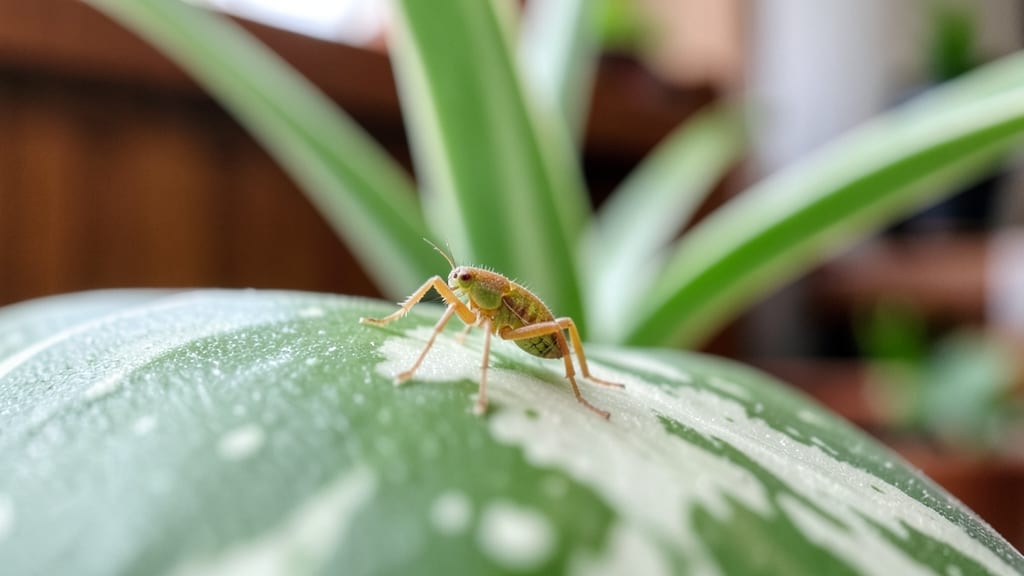
If your Spider Plant 🕷️ looks more like a sad string bean than a lush, vibrant houseplant, chances are it's not getting how much light does a spider plant need indoors to thrive.
The key to keeping this popular indoor plant thriving lies in finding that perfect balance—too little light makes it stretch and weaken, while too much can scorch its leaves.
Most people assume bright light means better growth, but Spider Plants actually prefer bright indirect light, making them perfect for homes with limited sunlight. Whether you're dealing with a dim corner or a sunny windowsill, I'll show you exactly where to place your plant for the best results.
You'll discover the 3 ideal indoor spots for your Spider Plant, how to spot signs of light stress, and simple adjustments to keep it happy year-round. No more guessing—just healthy, thriving foliage that brings life to any room.
The best part? These tips work for any home, from apartments with north-facing windows to houses with bright living rooms. Let's get your Spider Plant looking its best with the right lighting strategy.

Spider plant light requirements: the ideal brightness spectrum for healthy growth
Spider plants (Chlorophytum comosum) thrive on bright indirect light, but they’re famously adaptable—meaning they can survive in lower light too. The key is finding that sweet spot where their variegated leaves stay vibrant without burning.
Too little light leads to leggy growth, while too much causes brown tips. Let’s break down exactly what your spider plant needs to flourish indoors.
Most spider plants do best with 4-6 hours of bright indirect light daily. Think of it like the light you’d get near an east-facing window or under a sheer curtain by a south window. Direct sunlight—especially midday rays—can scorch their leaves, turning them yellow or crispy.
On the flip side, dim corners or north-facing windows with no additional light may cause your plant to stretch unnaturally toward the light.
Here’s how to visualize the light spectrum for your spider plant:
If your home lacks natural light, don’t worry—grow lights can save the day. A 12-15 watt LED grow bulb placed 6-12 inches above your plant mimics natural light perfectly.
Run it for 12-14 hours daily to keep your spider plant happy. Pro tip: Rotate the pot quarter-turn weekly to ensure even growth and prevent lopsided plants.
Another trick is to rotate your plant seasonally. In winter, when daylight fades, move it closer to a window. In summer, if you notice yellowing leaves, it’s time to back it up a few feet.
Spider plants are forgiving, but consistency is key—they’ll reward you with long, arching leaves and those adorable spiderettes (baby plants) when cared for right.
For beginners, start by placing your spider plant in a medium-light spot and observe its reaction. If the leaves darken and grow faster, it’s thriving. If they stretch upward like they’re reaching for a snack, it’s time to find a brighter location.
Remember, variegated varieties (like ‘Vittatum’) need slightly more light to maintain their striking patterns.
One common mistake is assuming all indoor light is equal. A north-facing window provides gentle, consistent light, while a south-facing window can turn harsh midday. If you’re unsure, test your spot with a light meter app (like Light Meter for iOS) to measure foot-candles.
Aim for 500-1,000 foot-candles—the sweet spot for spider plants.
Lastly, consider your plant’s seasonal needs. In spring and summer, when natural light peaks, your spider plant may handle slightly brighter spots. In fall and winter, reduce light exposure to prevent stress. With these adjustments, your spider plant will stay lush, green, and full of life year-round.
🌱
3 Best indoor locations for spider plants based on your home’s lighting
Finding the perfect spot for your Spider Plant 🕷️ depends on your home’s natural light. Unlike sun-loving succulents, these plants thrive in bright indirect light, making them ideal for most indoor spaces.
The key is avoiding harsh direct sunlight while ensuring enough brightness to keep their leaves vibrant and healthy.
Start by identifying the light conditions in your home. North-facing windows provide gentle, consistent light, while east-facing windows offer morning sun without the intensity of afternoon rays.
South-facing windows can be too harsh, and west-facing spots may get too much afternoon heat. Let’s explore the 3 best locations based on your home’s lighting.
- 📍 East-Facing Window: Ideal for morning sun (6 AM–12 PM). Place your plant 2-3 feet away to avoid direct rays while maximizing brightness.
- 📍 North-Facing Window: Perfect for steady, low-intensity light all day. This is the safest spot for beginners or dimmer homes.
- 📍 Bright Living Room (Indirect Light): If your living room gets filtered light from nearby windows, place your Spider Plant near a sheer curtain or a few feet from the glass.
For homes with limited natural light, consider supplementing with a grow light (12–14 hours/day) placed 12–18 inches above the plant. Fluorescent or LED grow lights work well and mimic natural brightness without the risk of scorching.
If your Spider Plant is near a south or west window, use a sheer curtain to diffuse harsh rays. Even a few hours of direct sun can cause brown patches or crispy edges on the leaves. Rotate the pot every few weeks to ensure even growth.
Pro tip: Test your plant’s light exposure by observing its leaves. If they’re stretching toward the light, it needs more brightness. If they’re yellowing or wilting, it’s getting too much sun. Adjust its position until you find the sweet spot!