
Plants
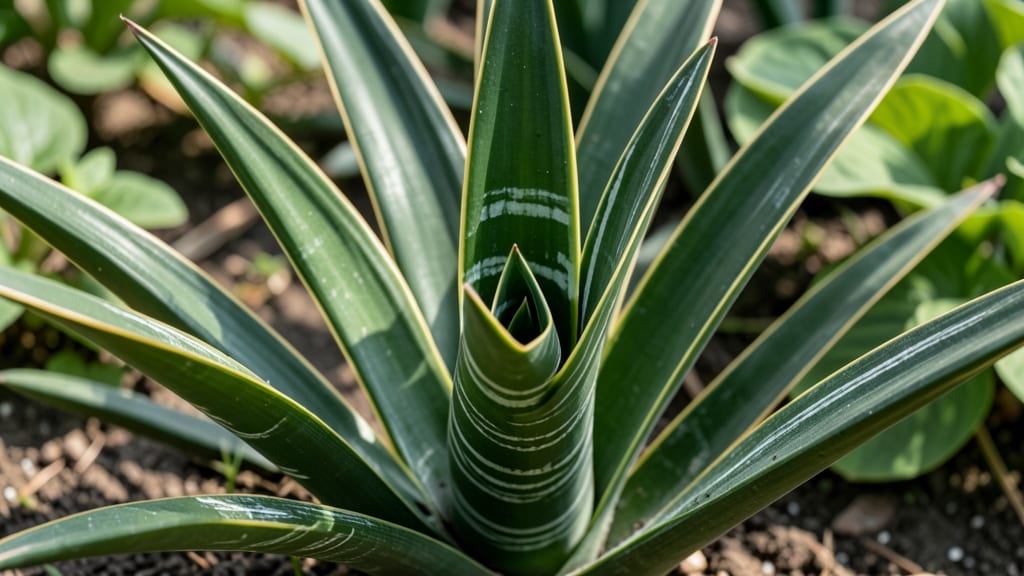
If you've ever wondered how much light does a snake plant require to stay happy, you're not alone—this question stumps even seasoned plant parents. The good news? Snake plants are the ultimate low-maintenance greenery, thriving in conditions where other plants would struggle.
But there's a fine line between "just enough" and "too much," and getting it right can mean the difference between a lush, healthy plant and one that looks a little... sad.
Most people assume these hardy plants need bright, direct sunlight, but that couldn’t be further from the truth. In fact, snake plants are masters of adaptability, doing well in everything from dimly lit corners to bright, indirect light.
The key is understanding their natural preferences—whether you're working with a north-facing window or a room that barely gets any sunlight at all. I’ll break down exactly what your snake plant needs to flourish, so you can stop guessing and start growing with confidence.
What happens when you get the light wrong? You might notice stretched-out leaves, yellowing tips, or even brown patches—all classic signs your plant is either craving more light or begging for a break from the sun.
The great thing about snake plants is that they’re forgiving, but knowing the ideal conditions will help you avoid common pitfalls. Let’s dive into the details so you can create the perfect spot for your 🌱 snake plant to shine.
Whether you're a beginner or a plant enthusiast looking to refine your care routine, this guide will give you the insights you need to keep your snake plant thriving.
From identifying the best placement in your home to spotting early warning signs, you’ll learn how to give your plant exactly what it needs—without overcomplicating things. Ready to master the art of snake plant lighting?

Ideal light requirements for snake plants: low to bright indirect light explained
Snake plants (Dracaena trifasciata) are famous for their adaptability, but even they have light preferences. Unlike sun-loving succulents, they thrive in low to bright indirect light, making them perfect for busy households or dim corners.
The key is finding that sweet spot—too little light slows growth, while too much can scorch their leaves. Let’s break down exactly what your snake plant needs to stay happy and healthy.
Most snake plants do well with 2-4 hours of indirect sunlight daily. This could be a spot near a north-facing window where light is soft or a few feet away from an east-facing window.
If your plant gets bright indirect light for longer periods (like 6+ hours), it can handle it—just watch for signs of stress like brown tips. The goal is to mimic their natural habitat in African savannas, where they grow under sparse tree canopies.
Here’s how to match your snake plant’s light needs to your home’s conditions:
| Light Condition | Ideal For | Growth Impact |
|---|---|---|
| Low Light (50-100 ft from window) | Offices, hallways, basements | Slow growth, compact leaves |
| Medium Light (3-6 ft from window) | Living rooms, kitchens, bathrooms | Balanced growth, healthy leaves |
| Bright Indirect (1-3 ft from window) | East/west-facing windows | Faster growth, vibrant colors |
| Direct Sun (2+ hours/day) | South-facing windows (protected) | Risk of browning, leaf burn |
Juvenile snake plants are more sensitive to light than mature ones. If you’ve just propagated a puppy plant, place it in medium indirect light to avoid shocking its delicate leaves.
Mature plants, on the other hand, can tolerate lower light conditions for longer periods, making them ideal for offices or rooms with fluorescent lighting. Just avoid placing them in complete darkness, which can lead to weak, leggy growth over time.
One common myth is that snake plants “don’t need light at all.” While they’re drought-tolerant, they still rely on light for photosynthesis and energy production. Without enough light, their leaves may become pale or stretched (a condition called etiolation).
Rotate your plant every few months to ensure even light exposure on all sides, especially if it’s near a single window.
For indoor growers, artificial lighting can supplement natural light. A grow light with a 12-hour cycle (like a full-spectrum LED) can help if your space is very dim. Position the light 6-12 inches above the plant and adjust the distance based on leaf color—closer for deeper greens, farther for yellowing.
Outdoor snake plants can handle partial shade but avoid full shade, which slows growth dramatically. If you’re growing one outside in USDA Zone 6a, place it in a spot with morning sun and afternoon shade during summer months.
In winter, they can tolerate cooler temperatures and even direct sunlight for short periods, as long as the soil doesn’t freeze.
Pro tip: Observe your snake plant’s leaves for clues. Healthy leaves should be upright and firm with a glossy finish. If they start to curl or droop, it might be a sign of underwatering or low light.
Conversely, crispy brown edges often mean too much direct sun. Adjust accordingly, and your snake plant will reward you with years of low-maintenance beauty.
Remember, snake plants are forgiving, but they’re not indestructible. The right light balance is the foundation of their care routine—get it right, and you’ll enjoy a thriving plant that purifies the air and adds a touch of green to any space. 🌱
Ideal light requirements for snake plants: low to bright indirect light explained
Snake plants (Sansevieria trifasciata) are famous for their adaptability, but even they have light preferences. Unlike sun-hungry plants, they thrive in low to bright indirect light, making them perfect for busy homes or offices.
The key is avoiding harsh direct sunlight, which can scorch those striking variegated leaves. I’ve found that 2-4 hours of filtered light daily keeps my plants happy without stress.
Most snake plants tolerate as little as 10% sunlight, which translates to deep shade or fluorescent lighting. However, for optimal growth—especially in variegated varieties—they appreciate moderate indirect light (think east-facing windows or a few feet from a south-facing one).
The trick is balancing their tolerance with their potential: more light = faster, bushier growth, but never at the cost of leaf burn.
| Light Condition | Ideal For | Growth Impact |
|---|---|---|
| Deep Shade (<10% light) | Basements, north-facing rooms | Survives; slow growth |
| Low Light (10-20%) | Offices, fluorescent lighting | Healthy; compact leaves |
| Bright Indirect (20-50%) | East/west windows, 3+ ft from south window | Fastest growth; vibrant colors |
| Direct Sun (>50%) | Outdoor full sun (rarely) | Leaf burn; stress |
Juvenile snake plants need slightly more light to develop strong roots, while mature plants can handle dimmer corners. I’ve noticed my ‘Moonshine’ variety (with yellow edges) thrives near my kitchen window, where it gets 3 hours of morning sun and the rest indirect light.
The secret? Rotate your plant every few months so all sides get even exposure—this prevents lopsided growth and keeps those leaves upright.
One common myth is that snake plants love direct sunlight. While they can handle brief morning sun, prolonged exposure (especially after 10 AM) causes brown tips and crispy edges. If you’re placing yours outdoors, opt for dappled shade under trees or a sheer curtain.
My outdoor snake plant in Zone 6a spends summers in partial shade and never shows signs of stress, even during heatwaves.
For indoor growers, fluorescent or LED bulbs (6,500K color temperature) mimic natural light perfectly. I keep a 12-inch snake plant under a bulb in my home office, and it grows just as well as my window-side plants.
Just ensure the bulb is 6-12 inches above the leaves to avoid overheating. Pro tip: Group a few plants together—they’ll create their own microclimate with shared humidity!
Remember, snake plants are drought-tolerant but not light-tolerant. If your plant starts stretching toward the light (a sign of etiolation), it’s begging for more brightness.
But if the leaves turn yellow or develop dark spots, it’s getting too much—move it back a few feet or add a sheer curtain. Balance is everything! 🌱