
Plants
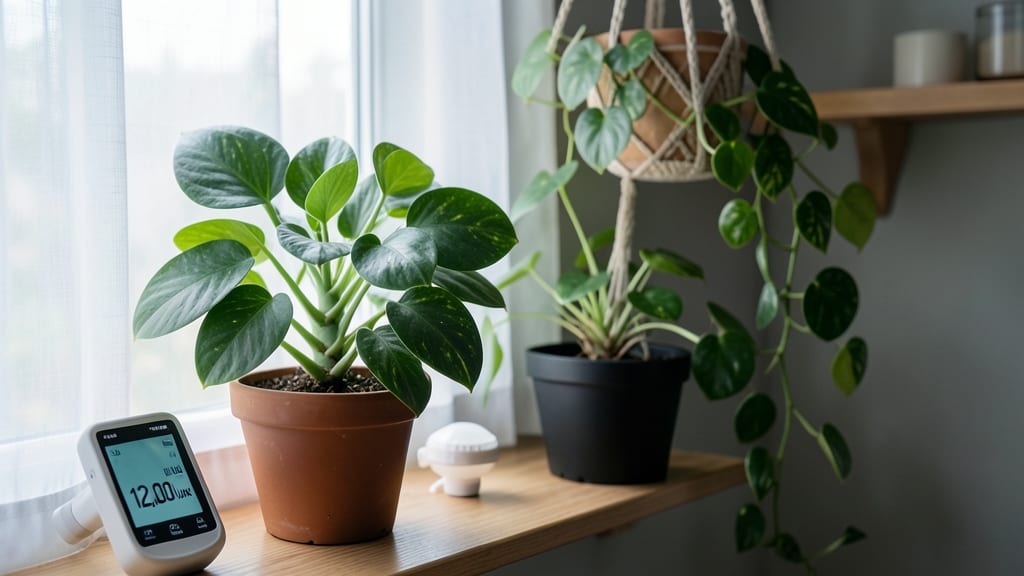
If your Hoya 🌿 looks like it’s fighting for its life—stretching too tall, dropping leaves, or refusing to bloom—chances are, you’ve got how much light does this plant need all wrong.
The truth is, Hoyas thrive in bright indirect sunlight, but most homes either drown them in harsh rays or starve them of light entirely. That’s why even experienced plant parents struggle with this one.
Here’s the kicker: Hoyas aren’t picky, but they are particular. Too little light and they’ll grow leggy and weak; too much, and those gorgeous leaves crisp up like overcooked fries. The sweet spot? Mimicking their natural understory habitat—think dappled shade through trees, not blazing midday sun.
I’ll show you exactly how to nail this balance, whether you’re dealing with a sun-soaked kitchen or a dim corner office.
You’ll discover the ideal light conditions for different Hoya varieties (yes, some handle more sun than others), how to spot when your plant is begging for a change, and even clever hacks for low-light spaces.
No more guessing—just lush, happy vines that reward you with those coveted waxy blooms. Let’s get your Hoya the light it craves.
From east-facing windows to grow lights, we’ll cover every scenario so your Hoya doesn’t just survive—it thrives. Ready to turn that sad, stretched-out vine into a showstopper? Let’s dive in.

Ideal light requirements for Hoya plants: bright indirect sunlight explained
Hoya plants thrive in bright indirect sunlight, making them perfect for homes with filtered light conditions. Unlike sun-loving succulents, Hoyas can't handle harsh midday rays, which cause leaf burn and crispy edges. Instead, they need gentle, diffused light—like what you'd find near an east-facing window or under sheer curtains.
The ideal light intensity for Hoyas falls between 40-60% sunlight, measured as bright indirect light. This means avoiding both deep shade (which causes leggy growth) and direct sun (which scalds leaves).
Think of it as the "goldilocks zone" for your plant's light needs—just right, not too much, not too little.
Most Hoya varieties, including popular types like Hoya carnosa (Wax Plant) and Hoya kerrii (Sweetheart Plant), prefer this light range. However, some tropical Hoyas like Hoya obovata can tolerate slightly lower light, while others like Hoya linearis need brighter conditions to flower. Always check your specific variety's needs!
| Light Type | Ideal For | Hoya Response |
|---|---|---|
| Low Light (<20%) | North-facing windows, shaded rooms | Leggy growth, pale leaves, no flowers |
| Bright Indirect (40-60%) | East/west windows, sheer curtains | Healthy growth, glossy leaves, blooms |
| Direct Sun (>80%) | South-facing windows, no shade | Brown spots, crispy edges, leaf drop |
Seasonal changes dramatically affect your Hoya's light needs. In spring and fall, when sunlight is less intense, your plant can handle slightly more direct light—even a few hours of morning sun won't hurt.
But during summer's peak, when UV rays are strongest, move your Hoya further back from windows or add a sheer curtain to filter the light.
If you're unsure about your home's light levels, use this simple test: Hold your hand near your plant's leaves. If you can see your shadow clearly but the light isn't harsh, it's likely the perfect bright indirect light your Hoya craves.
For indoor growers, LED grow lights (12-14 hours/day) can supplement natural light, especially in winter when days are shorter.
Outdoor Hoyas also need protection. While they can enjoy dappled shade in gardens, avoid placing them under the hot midday sun. Instead, opt for morning sun followed by afternoon shade—this mimics their natural habitat in tropical forests where sunlight filters through canopy leaves.
Pro tip: Rotate your Hoya plant quarter-turns every 2-3 weeks to ensure even light exposure. This prevents one side from stretching toward the light while the other stays weak. Even growth means a bushier, more attractive plant with fewer light-related issues.
Remember, Hoyas are flexible plants—they can adapt to slightly lower light conditions, but they'll always reward you best with proper bright indirect sunlight. When your Hoya gets the right light, you'll see glossy leaves, vigorous vines, and—if you're lucky—beautiful waxy flowers that can last for weeks.
Watch for these visual cues: dark green, thick leaves mean happy light levels, while light green or yellowing leaves signal a need for adjustment. With the right light, your Hoya will become the star of your indoor jungle!
Signs your Hoya isn’t getting the right light (and how to fix it)
Your Hoya plant might be silently screaming for help—leggy, sparse vines or pale, yellowing leaves are classic signs of light stress. These symptoms often mean your plant isn’t receiving the bright indirect sunlight it craves, or it’s getting too much harsh direct sun.
Let’s decode these clues and fix them fast!
First, check your Hoya’s leaf color. If they’re dull green or yellowing, it’s begging for more light. On the flip side, brown crispy edges or bleached patches mean it’s getting scorching afternoon sun.
Both extremes stress your plant, but the fixes are simple once you spot the problem.
🌱 Visual Tip: Hold your hand near your Hoya’s leaves. If the light feels warm but diffused (like sunlight through a sheer curtain), you’re in the sweet spot. If it’s hot and intense (like midday sun), move it back!
⚠️ Warning: Common Light Mistakes
- South-facing window? Move your Hoya 3-4 feet away to avoid sunburn.
- North-facing window? Great! Just ensure no dark corners block light.
- Leggy growth? Rotate the pot quarter-turn weekly for even light exposure.
- No blooms? Boost light to 4-6 hours daily to trigger flowering.
For low-light rooms, try a grow light 6-12 inches above your Hoya. Use a full-spectrum LED bulb (like the VIPARSPECTRA) for 12-14 hours daily. This mimics natural light and prevents etoliation—the stretchy, weak growth that ruins your Hoya’s shape.
If your plant is recovering from sun damage, trim the affected leaves with sterilized scissors and place it in shadier conditions for 2 weeks. Healthy new growth will soon replace the damaged foliage, and your Hoya will bounce back with thicker, glossier leaves!
Pro tip: Hoya carnosa and Hoya kerrii (the popular "sweetheart plant") are more forgiving, but Hoya obovata or Hoya linearis need even brighter indirect light to thrive. Always match your variety’s needs to avoid frustration!