
Plants
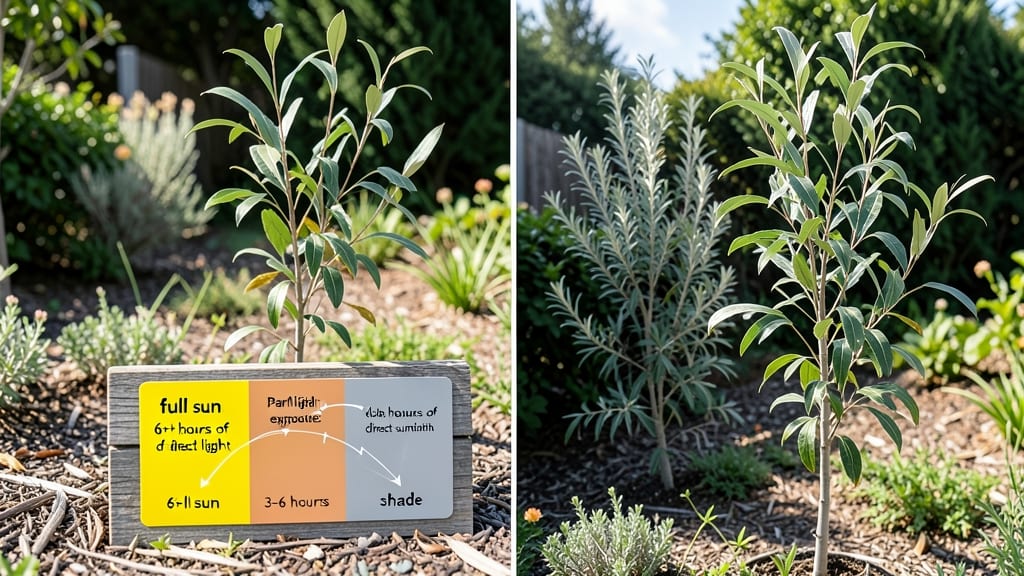
If your eucalyptus plant 🌳 looks more like a sad, droopy stick than a lush, towering tree, you’re probably asking yourself how much light does a eucalyptus plant need—and why isn’t it thriving? The answer might surprise you: eucalyptus isn’t just any sun-loving plant.
It demands full, unfiltered sunlight to grow strong, and getting it wrong can mean the difference between a vibrant specimen and a struggling survivor.
Most gardeners assume "full sun" means a few hours of morning light, but eucalyptus needs at least 6 hours of direct sunlight daily—think midday rays, not just golden-hour glow. Without enough light, its leaves yellow, growth stalls, and those iconic silvery-blue hues fade to a dull green.
The good news? With the right placement, even urban gardeners can give their eucalyptus the light it craves.
Here’s the kicker: eucalyptus adapts to different climates, but its light needs stay the same. In cooler zones like 6a, it might handle partial shade in summer, but winter? That’s when you’ll need to move it closer to the sun—or risk losing its signature structure.
I’ll show you exactly how to spot light stress and tweak your setup for year-round success.
Ready to turn your eucalyptus from "meh" to magnificent? Let’s dive into the sunlight secrets that’ll have your plant reaching for the sky—literally. Whether you’re dealing with a container-bound sapling or a backyard giant, these tips will keep your eucalyptus thriving, no matter where you live.

Optimal sunlight requirements for eucalyptus plants: full sun vs. partial shade
Eucalyptus trees are sun worshippers—they crave full sun exposure to grow strong and healthy. In their native Australian habitats, these trees thrive under bright, unfiltered sunlight, which is why replicating these conditions is key for your garden or container.
Without enough light, your eucalyptus will struggle, showing signs like stunted growth or pale leaves. Let’s break down exactly how much sunlight your eucalyptus needs and how to provide it, whether you're growing it outdoors or indoors.
Most eucalyptus varieties—including popular types like Eucalyptus globulus (tasmanian blue gum) and Eucalyptus gunnii (cider gum)—require at least 6 hours of direct sunlight daily.
However, some dwarf varieties or smaller species might tolerate 4-5 hours of partial shade, especially in hot climates where afternoon shade can prevent leaf scorch.
Understanding these differences will help you choose the right spot for your tree and avoid common mistakes like over-shading or exposing it to harsh afternoon sun without acclimation.
Full sun means placing your eucalyptus in a location where it receives unobstructed sunlight for most of the day, ideally between 9 AM and 3 PM. This is especially important during the spring and summer months, when sunlight is most intense. In contrast, partial shade refers to areas where the tree gets filtered or indirect light, such as under a sheer curtain of taller trees or on the eastern or northern side of a building. While partial shade can work for some varieties, it often leads to leggy growth and weaker stems.
| Eucalyptus Variety | Ideal Sunlight | Tolerates Partial Shade? | Best For |
|---|---|---|---|
| Eucalyptus globulus | 6+ hours full sun | No (weak growth) | Outdoor gardens, large containers |
| Eucalyptus gunnii | 5-6 hours full sun | Yes (mild shade) | Containers, cooler climates |
| Eucalyptus pauciflora | 6+ hours full sun | No (needs bright light) | Mountain gardens, high elevations |
| Dwarf varieties (e.g., 'Rubida') | 4-5 hours bright light | Yes (indoor-friendly) | Indoor pots, patios |
If you’re growing eucalyptus in a container, its sunlight needs become even more critical. Pots limit root growth, so your plant relies heavily on intense light to fuel its development.
Place containers near south-facing windows or on sunny patios, and consider using reflective surfaces like white walls or mirrors to bounce extra light onto the leaves. Rotate the pot weekly to ensure even growth, as eucalyptus can lean toward the light source if left unchanged.
Seasonal adjustments are also key. In summer, eucalyptus may need afternoon shade in extremely hot climates (like USDA Zones 9-11) to prevent leaf burn. Conversely, in winter, when daylight hours shorten, supplement natural light with a grow light if your eucalyptus is indoors.
This mimics the 12+ hours of daylight it would receive in its native environment during the growing season.
One common misconception is that eucalyptus can thrive in low-light conditions, like a dim corner of your home. While some varieties might survive briefly, they’ll never reach their full potential. Leggy stems and small, sparse leaves are telltale signs your eucalyptus is light-deprived.
To fix this, gradually acclimate your plant to more sunlight over 1-2 weeks by moving it to a brighter spot daily. Sudden exposure to full sun can cause leaf scorch, so this slow transition is essential.
For outdoor planting, choose a location with open sky exposure, away from tall buildings or dense foliage that could cast shade. In urban areas, eucalyptus might need extra care due to air pollution, which can further stress the plant.
If you notice yellowing leaves or slow growth, it’s a sign your tree needs more light—or possibly better air circulation. Pairing your eucalyptus with wind-resistant plants can also help protect it from harsh conditions while maximizing sunlight access.
Remember, eucalyptus is a fast-growing tree, and its light needs evolve as it matures. A young sapling might start with 4-5 hours of sun, but a mature tree will demand full sun daily. Plan ahead by selecting
Optimal sunlight requirements for eucalyptus plants: full sun vs. partial shade
Eucalyptus plants are sun worshippers, craving 6+ hours of direct sunlight daily to maintain their iconic silvery-blue foliage and sturdy growth. Unlike shade-tolerant plants, eucalyptus won’t just survive in partial shade—it’ll shrink, yellow, and lose its signature texture.
Think of it like a desert dweller: it thrives under the harshest light but wilts in dappled shade.
Most eucalyptus varieties—like the Silver Dollar Eucalyptus or Tasmanian Blue Gum—need full sun exposure year-round. However, in hotter climates (zones 8b+), afternoon shade can prevent leaf scorch during peak summer heat. The key is balancing intensity and duration: morning sun builds energy, while midday rays fuel growth.
🌳 Pro Tip: Use a light meter or observe your plant’s shadow. If the shadow is smaller than the plant itself for most of the day, it’s getting enough sun. If the shadow stretches longer than the plant’s height, move it closer to a south-facing window or outdoors.
Here’s how eucalyptus light needs break down by variety and climate:
| Variety | Minimum Sunlight | Climate Adaptations | Signs of Stress |
|---|---|---|---|
| Silver Dollar Eucalyptus | 6+ hours direct | Tolerates partial shade in winter | Yellowing leaves, slow growth |
| Tasmanian Blue Gum | 8+ hours direct | Needs afternoon shade in zones 9+ | Brown leaf tips, leaf drop |
| Dwarf Eucalyptus (e.g., 'Risdonii') | 4-6 hours direct | Best for containers in partial sun | Leggy growth, pale leaves |
Seasonal shifts matter too. In winter (zones 6a-7b), eucalyptus can handle partial shade as daylight shortens, but never let it sit in deep shade for more than 2 weeks.
I once had a Tasmanian Blue Gum that nearly died after a cloudy December—until I moved it under grow lights for 4 hours daily. Within a month, its leaves regained their silvery sheen.
For container-grown eucalyptus, rotate pots quarter-turns weekly to ensure even light exposure. Uneven growth (e.g., leaning toward a window) is a dead giveaway that one side isn’t getting enough sun. In-ground plants, meanwhile, benefit from pruning nearby shade trees to let those midday rays reach the canopy.
💡 Remember: Eucalyptus won’t just survive in full sun—it’ll thrive, growing 3x faster than shade-stressed plants. If your eucalyptus is struggling, start with a light audit: track its sun exposure for a week, then adjust. Your plant’s future height and health depend on it!